Beyond the Hype: The Main Types of Digital Marketing & Digital Advertising Explained
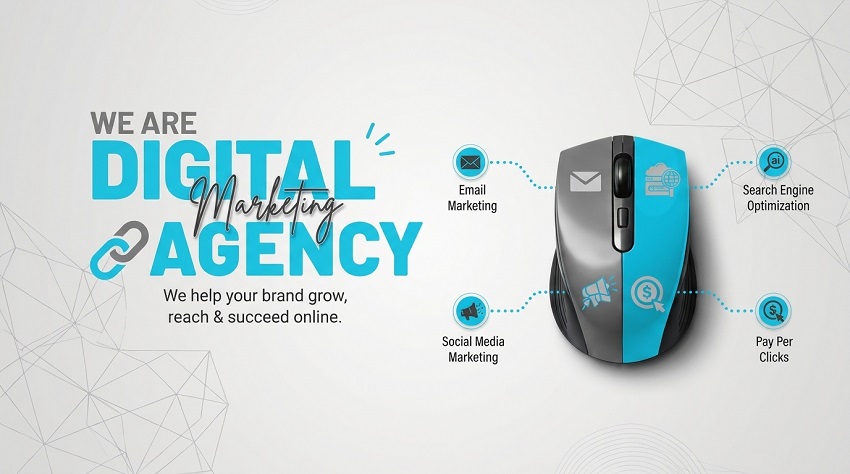
When navigating the modern online landscape, many business owners find themselves overwhelmed by endless channels, algorithm updates, and trending platforms. However, reaching prospective customers effectively doesn’t require mastering every emerging trend. It requires understanding how different online channels work together within a structured ecosystem.
Whether you are looking to build long-term organic visibility or drive immediate sales inquiries through paid campaigns, modern digital marketing relies on a few fundamental channels to turn online traffic into real business revenue. In this guide, we break down the main pillars of online visibility and reveal how blending organic strategy with targeted digital advertising creates a sustainable engine for growth.
1. Search Engine Optimization (SEO)
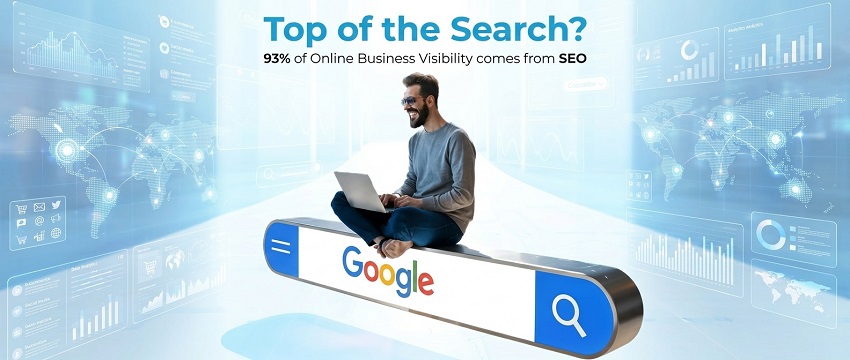
Search Engine Optimization is the practice of structuring and refining your website content so that search engines (like Google and modern AI answer engines) recognize your business as an authoritative answer to user queries.
Unlike temporary ad campaigns, high-quality SEO creates compounding digital equity. By focusing on search intent, technical site health, and high-value localized keywords, organic search optimization delivers high-intent prospects who are actively looking for your specific services.
2. Strategic Content Marketing

Content is the foundational engine behind every successful digital campaign. Strategic content marketing involves creating and distributing valuable, relevant articles, guides, case studies, and landing pages designed to address your target audience’s specific pain points.
Rather than publishing random blog posts, effective content strategies focus on topic clustering and full-funnel buyer journeys:
-
Top-of-Funnel: Educational guides that build initial brand awareness.
-
Middle-of-Funnel: Comparison guides and technical breakdowns that build trust.
-
Bottom-of-Funnel: High-converting case studies and service pages that close sales.
3. Targeted Digital Advertising (PPC & Paid Media)

While organic channels like SEO and content creation build long-term brand authority, paid channels provide immediate, predictable visibility. Modern digital advertising encompasses pay-per-click (PPC) search ads, display networks, sponsored content, and targeted social media campaigns.
By placing your brand directly at the top of search result pages or inside social feeds, paid campaigns allow you to capture high-intent buyers instantly while gathering valuable audience data to refine your overall marketing messaging.
4. Social Media Marketing & Community Building

Social media platforms serve as the digital storefront for brand personality and direct customer communication. Effective social media marketing goes beyond broadcasting promotional offers; it focuses on building active engagement, establishing social proof, and driving targeted referral traffic back to your core website assets.
5. Email Marketing & Lead Nurturing
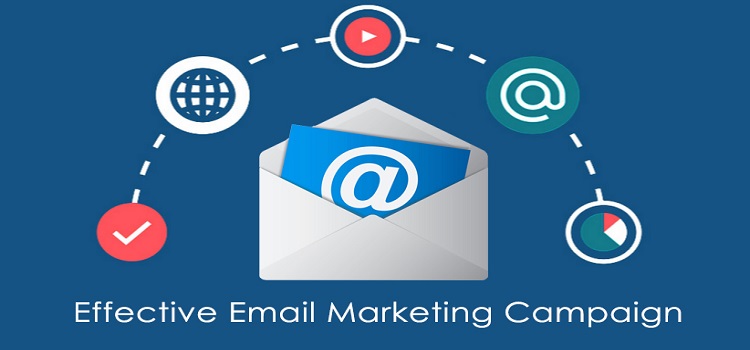
Email marketing remains one of the highest-yielding channels in digital marketing. While social platforms and search algorithms continuously change, your email subscriber list is an asset your business owns entirely.
By deploying automated onboarding sequences, regular educational newsletters, and targeted re-engagement campaigns, email marketing ensures your brand stays top-of-mind while converting cold leads into repeat customers over time.
Building a Unified Strategy for Growth
The most successful brands don’t rely on a single channel in isolation. Instead, they combine the long-term compounding benefits of organic search and content creation with the fast, scalable reach of paid channels. By aligning these core pillars around your business goals, you can build a resilient online presence that drives consistent, measurable ROI.
By Aakshat Vaishnav, SEO Expert & Digital Marketing & Advertising Consultant at Digital Marketing PTA
Contact Us

ForRental
26 Capsicum Ave
Marlboro Gardens, Sandton, 2063
Cell Phone: +27 642463678
info@digitalmarketingpta.co.za
https://www.forrental.co.za
Send us Mail
You must be logged in to post a comment.