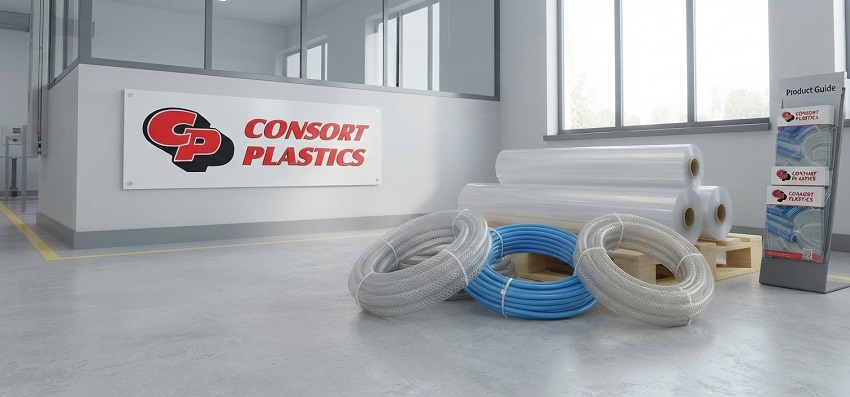
When it comes to versatility, durability, and high performance across commercial and industrial sectors, few materials match the utility of plastic tubing and plastic sheeting. From modern construction sites to specialized manufacturing plants, these foundational polymer products deliver reliable, cost-effective solutions for fluid management, surface protection, and structural support.
If you are looking to optimize your operational efficiency or source the right materials for your next project, understanding the core advantages and specific applications of these products is essential.
Key Applications of Plastic Tubing
Plastic tubing is engineered to safely transport fluids and gases, house electrical wiring, and provide structural components across diverse markets. Depending on the polymer used—such as PVC, polyethylene (PE), nylon, or polyurethane—tubing offers distinct performance profiles:
-
Fluid and Gas Transfer: Widely utilized in pneumatic, hydraulic, and process automation lines due to its smooth interior walls, which minimize friction and maintain optimal flow rates.
-
Medical and Healthcare Devices: Highly valued in clinical settings for applications like IV fluid delivery, catheters, and respiratory equipment because of its biocompatibility and ease of sterilization.
-
Agricultural Irrigation: Lightweight and corrosion-resistant polyethylene and PVC tubes efficiently distribute water across large crop fields, reducing pump energy requirements.
-
Electrical Conduit: Protects delicate wiring systems from external moisture, physical wear, and mechanical stress in both residential and commercial buildings.
Essential Uses for Plastic Sheeting
Also known as poly sheeting or polyethylene film, plastic sheeting is a multipurpose material utilized for barrier protection, containment, and site preparation. Available in various thicknesses (mil ratings) and formulations, key uses include:
-
Construction and Vapor Barriers: Placed beneath concrete slabs, inside crawlspaces, or behind wall assemblies to prevent moisture migration and protect structural integrity.
-
Surface Protection and Dust Containment: Frequently deployed by painters and contractors as drop cloths or temporary room dividers to shield furniture, equipment, and finishes from debris and paint splatters.
-
Agricultural Covers: Utilized for silage covers, greenhouse glazing, and ground mulch films to regulate soil temperature and suppress weed growth.
-
Industrial Packaging: Heavy-duty continuous rolls serve to shrink-wrap or blanket warehouse machinery, raw lumber, and palletized cargo against dust and outside elements.
Core Advantages of Modern Polymer Materials
Engineered plastics continue to replace traditional materials like metal, glass, and rubber for several distinct reasons:
-
Superior Durability: High resistance to rust, chemical corrosion, and aggressive weathering ensures a long operational service life.
-
Lightweight Flexibility: Drastically reduces shipping weights, simplifies handling on-site, and allows for seamless routing through complex architectural or mechanical layouts.
-
Customization: Easily manufactured in custom diameters, wall thicknesses, clear transparency, or specific color tints to meet strict industry compliance standards.
Contact Us

ForRental
26 Capsicum Ave
Marlboro Gardens, Sandton, 2063
Cell Phone: +27 642463678
info@digitalmarketingpta.co.za
https://www.forrental.co.za
Send us Mail
You must be logged in to post a comment.